
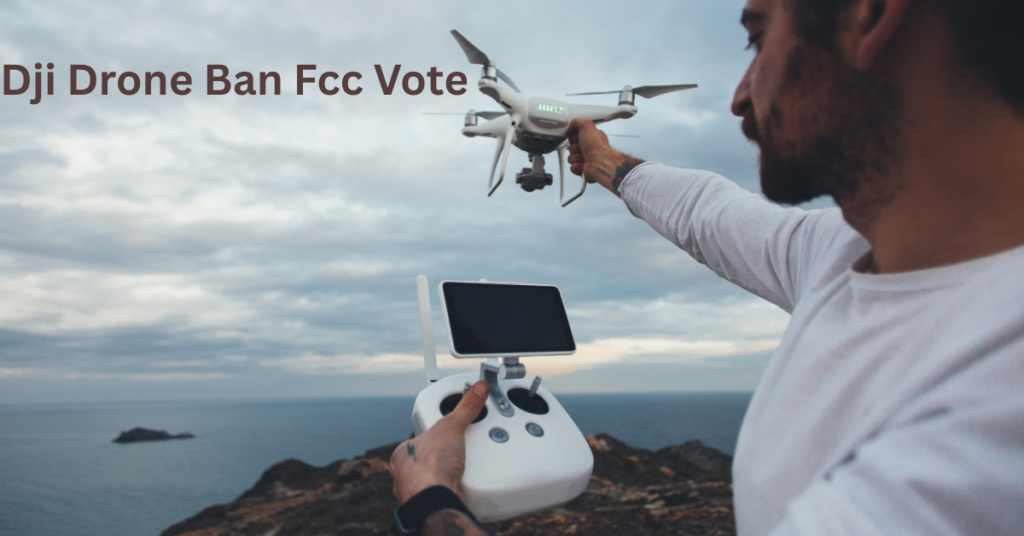

The recent FCC vote on the DJI drone ban has sent shockwaves through the aviation community. As drones become increasingly popular for both recreational and commercial use, this decision raises numerous questions for pilots and regulators alike. What does this mean for those who rely on these flying machines? How will it impact the broader drone industry? With a mix of concerns about safety, privacy, and national security at play, understanding the key takeaways from this vote is essential. Let’s dive into what’s at stake as we navigate this pivotal moment in drone regulation.
What does this mean for drone pilots?
The recent FCC vote on the DJI drone ban sends ripples through the pilot community. For many, it raises immediate concerns about their ability to operate these popular drones.
Pilots who rely on DJI technology for commercial or recreational use now face uncertainty. The ban could force them to explore alternative brands, which may not match DJI’s capabilities in terms of performance and reliability.
Moreover, this decision might lead to stricter regulations around drone operation, complicating flight plans and permissions. Pilots must stay informed about evolving rules as they navigate this new landscape.
Some may feel a sense of loss; after all, working with industry-leading equipment has its advantages. Adapting to change will require flexibility and vigilance from every operator in the field moving forward.
Impact on the drone industry
The DJI Drone Ban FCC Vote could reshape the entire drone industry landscape. With a major player like DJI facing restrictions, manufacturers might feel the ripple effect. Competitors may seize this opportunity to fill the gap.
Innovation could either stall or surge depending on how companies respond. On one hand, some firms may be hesitant to invest in new technologies amid uncertainty. On the other hand, startups might emerge with fresh ideas, eager to capture market share left by DJI.
Retailers will also experience shifts in inventory and sales strategies. Many enthusiasts rely on DJI products for recreational and professional uses; alternative brands must now prove their worth.
As regulations tighten, companies will need to navigate compliance carefully. This added complexity can drive costs up but also encourage better practices within the industry as a whole.
Arguments for and against the ban
Supporters of the DJI drone ban argue that national security is paramount. They believe that drones manufactured by companies with ties to foreign governments could be used for espionage or data collection. Protecting sensitive information is a priority, especially in sectors like defense and infrastructure.
On the other hand, opponents claim this ban stifles innovation. Many businesses rely on DJI’s technology for aerial photography, agriculture, and surveying. A sudden prohibition could lead to economic losses and hinder advancements in these fields.
Additionally, many pilots feel targeted unjustly. They see responsible use as a solution rather than an outright ban. Education about safe practices might be more effective than restrictions that affect everyone equally.
The debate continues as stakeholders assess both sides’ merits while considering the future of drone regulations in an evolving technological landscape.
Possible alternative solutions
Alternative solutions to the DJI Drone Ban FCC Vote are essential for fostering innovation while ensuring safety. One option is implementing stricter cybersecurity measures. Enhancing software security could mitigate risks associated with foreign ownership.
Another approach involves designated drone zones. These areas would allow safe operations where drones can be used without compromising national security or privacy concerns.
Public awareness campaigns can also play a significant role in promoting responsible drone usage among enthusiasts and professionals alike. Educating users about the implications of their choices fosters a culture of accountability.
Collaboration between manufacturers and regulators may lead to better compliance standards. This partnership can ensure that drone technology aligns with evolving safety regulations, ultimately benefiting all stakeholders involved in this dynamic industry.
Future implications of the vote
The recent FCC vote on the DJI drone ban could reshape the future landscape of drone operations. As regulations tighten, manufacturers may pivot to create more compliant models that satisfy both safety and security concerns.
This shift might usher in a new era of innovation. Entrepreneurs could explore alternative technologies or systems designed to mitigate risks associated with foreign-made drones.
Additionally, pilots may need to adapt their skills as they navigate evolving rules and restrictions. This evolution can lead to an emphasis on ethical flying practices and greater collaboration among regulators, industry stakeholders, and users.
Public perception of drones may also change significantly. Increased scrutiny might foster a stronger call for transparency from drone companies regarding data security and privacy measures.
As these developments unfold, it will be crucial for all parties involved to engage actively in discussions about responsible use while balancing regulatory needs against technological advancement.
Conclusion: The importance of responsible drone use and regulation
As the debate surrounding the DJI Drone Ban FCC Vote unfolds, it becomes increasingly clear that responsible drone use is paramount. The implications of this vote extend far beyond regulation; they touch on safety, privacy, and innovation within the industry.
Drone pilots must navigate these new waters with care. Understanding the regulations will help them operate safely while also advocating for their rights as users. Moreover, regulators need to strike a balance between security concerns and fostering an environment where technology can thrive.
The ongoing dialogue about potential alternatives highlights the necessity of collaborative solutions. Engaging stakeholders from various sectors—pilots, manufacturers, and lawmakers—can lead to more effective regulations that benefit everyone involved.
Embracing responsible practices in drone operation ensures not just compliance but also enhances public trust in this evolving technology. Responsible use paired with thoughtful regulation could pave the way for a future where drones are integrated seamlessly into our daily lives without compromising safety or privacy.