
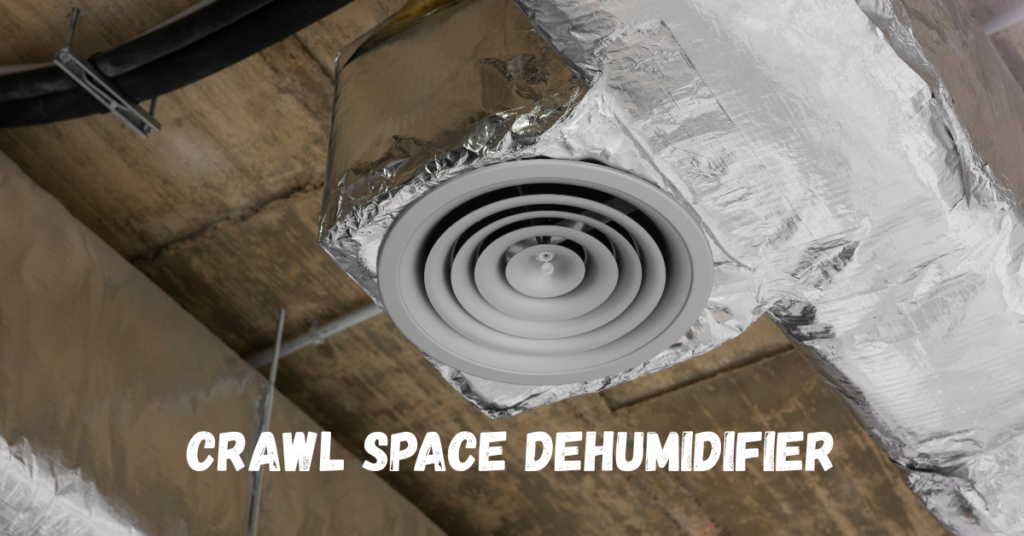

Crawl spaces might not be the most glamorous part of your home, but they play a crucial role in maintaining a healthy living environment. These often neglected areas can harbor moisture, leading to serious issues if left unchecked. If you’ve ever stepped into your crawl space and felt that damp chill or noticed musty odors creeping up through the floors, you’re not alone. High humidity levels can wreak havoc on both your home’s structure and air quality.
This is where a crawl space dehumidifier comes into play. Designed specifically for these hidden nooks, this essential device helps combat excess moisture and safeguard your home from potential damage. Curious about how it works and why you might need one? Let’s dive into the world of crawl spaces and explore the benefits of investing in a quality dehumidifier!
The Effects of High Humidity in Crawl Spaces
High humidity in crawl spaces can lead to a host of problems. Excess moisture creates an ideal environment for mold and mildew growth, which can compromise air quality and pose health risks.
Wooden structures are particularly vulnerable. Prolonged exposure to dampness causes wood rot, weakening the foundation of your home. This deterioration may result in costly repairs down the line.
Pests also thrive in humid conditions. Termites, roaches, and other unwanted critters find their way into moist crawl spaces, turning your haven into a breeding ground.
Moreover, high humidity affects energy efficiency. Your HVAC system works overtime to combat excess moisture, leading to increased utility bills.
With these factors at play, neglecting crawl space humidity can impact not just structural integrity but overall comfort as well. Each drop of moisture counts when it comes to maintaining a safe living environment beneath your home.
The Role of a Dehumidifier in Crawl Space Maintenance
A dehumidifier plays a vital role in crawl space maintenance by controlling moisture levels. Excess humidity can lead to mold growth, wood rot, and structural damage. By removing excess moisture from the air, a dehumidifier helps protect your home’s integrity.
These devices work silently in the background. They draw moist air inside and pass it over cold coils. As the air cools, water condenses and collects in a tank or drains away. This process keeps humidity at optimal levels.
Regular use of a crawl space dehumidifier creates an inhospitable environment for pests like termites and rodents. It also improves indoor air quality throughout your home by preventing musty odors from infiltrating living spaces.
With proper installation and consistent operation, a dehumidifier ensures that your crawl space remains dry year-round. This proactive approach saves you time and money on costly repairs down the line.
Types of Crawl Space Dehumidifiers
Crawl space dehumidifiers come in various types, each designed to tackle specific humidity challenges. The most common are portable units. These can be moved around as needed and are great for smaller spaces. They’re ideal if you want flexibility.
Then, there are the more robust, whole-home dehumidifiers. These systems work tirelessly to manage moisture levels throughout your home. They typically connect directly to your HVAC system for seamless operation.
Another option is energy-efficient models that consume less power while still delivering excellent performance. This not only helps reduce utility bills but also contributes positively to environmental sustainability.
Desiccant dehumidifiers use chemicals to absorb moisture from the air instead of relying solely on refrigerants. They’re perfect for cooler climates where traditional methods might struggle.
Understanding these types will help you choose the right solution tailored specifically for your crawl space needs.
Factors to Consider When Choosing a Dehumidifier for Your Crawl Space
When selecting a crawl space dehumidifier, size matters. You need to choose a unit that can handle the square footage of your space effectively. A model too small won’t adequately reduce humidity levels.
Next, consider the moisture removal capacity. Look for units measured in pints per day. Higher capacity models are ideal for areas with persistent dampness or flooding issues.
Energy efficiency is another crucial factor. An Energy Star-rated dehumidifier will save you money on utility bills while keeping humidity in check.
Noise level might be an overlooked aspect, but it’s significant if your crawl space is close to living areas. Opt for quieter models if noise concerns you.
Think about the features you want—automatic shut-off, built-in pumps, or continuous drainage options can enhance convenience and performance in managing moisture effectively.
Installation and Maintenance Tips
When installing a crawl space dehumidifier, start by ensuring that the area is clean and free of debris. This provides a solid foundation for effective operation.
Position your unit in the center of the crawl space for maximum airflow. Make sure it’s away from walls to allow air circulation on all sides.
Regular maintenance is key to keeping your dehumidifier running efficiently. Check and empty the water reservoir frequently if your model doesn’t have a continuous drainage option.
Clean or replace filters as recommended by the manufacturer. A dirty filter can restrict airflow and reduce efficiency over time.
Also, inspect ducts and vents periodically for clogs or damage. Ensuring proper ventilation complements your dehumidifier’s efforts in maintaining optimal humidity levels.
Keep an eye on humidity levels using a hygrometer to determine if any adjustments are needed throughout different seasons.
Other Ways to Reduce Humidity in Your Crawl Space
Besides using a crawl space dehumidifier, there are several effective methods to lower humidity levels.
First, ensure proper ventilation. Installing vents can help circulate air and reduce moisture buildup. Openings should be strategically placed for maximum airflow.
Next, consider sealing any cracks or gaps in your foundation walls. This prevents outside moisture from seeping in and keeps the area dry. Use waterproof sealants designed specifically for this purpose.
Adding insulation to pipes can also make a difference. Insulated pipes will reduce condensation during temperature changes, limiting excess humidity.
Check your gutters and downspouts regularly. They should direct water away from your home’s foundation to avoid pooling around the crawl space entry points.
These strategies complement the use of a dehumidifier effectively, creating a healthier environment beneath your home without excessive costs or effort.
Benefits of Using a Crawl Space Dehumidifier
Using a crawl space dehumidifier can transform your home environment significantly. By effectively managing humidity levels, these devices help prevent mold growth and wood rot, which can lead to serious structural damage over time. A well-maintained crawl space promotes better indoor air quality, reducing allergens that may affect respiratory health.
Moreover, a dehumidifier helps protect insulation and electrical systems from moisture-related issues. This not only extends the lifespan of your home’s components but also enhances energy efficiency by allowing heating and cooling systems to work more effectively.
Investing in a crawl space dehumidifier means investing in the overall health of your home. You’ll enjoy peace of mind knowing that you are actively preventing future problems associated with high humidity levels. The benefits extend beyond just protecting physical structures; they contribute to creating a safer and more comfortable living environment for you and your family.