
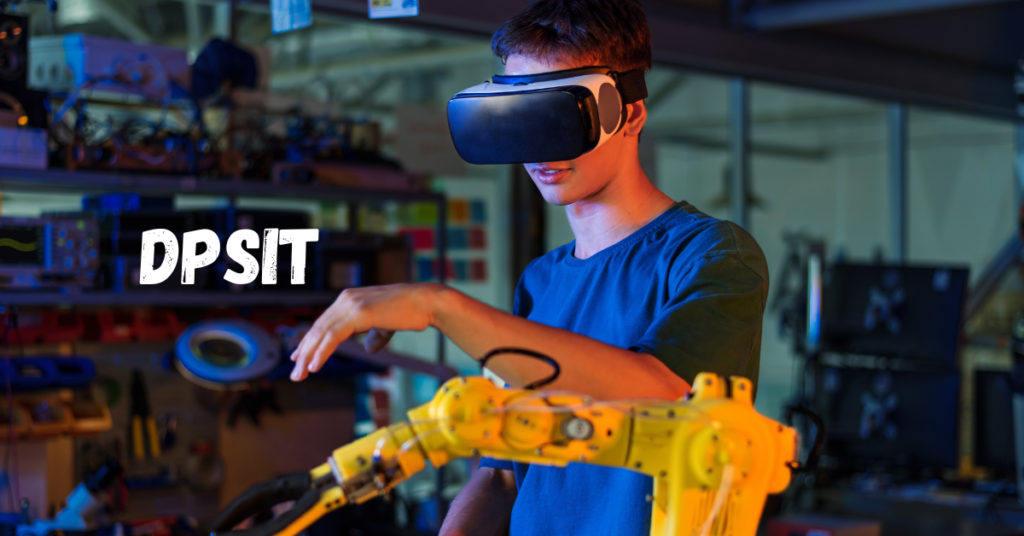

Introduction to DPSIT (Digital Processes and Systems Integration Technology)
In today’s fast-paced world, the way businesses operate is undergoing a radical transformation. Enter DPSIT—Digital Processes and Systems Integration Technology—a game-changer that redefines efficiency across industries. Picture this: seamless workflows, streamlined operations, and enhanced collaboration all driven by digital processes. As companies strive to adapt to an ever-evolving landscape, understanding how DPSIT shapes their future becomes crucial.
From manufacturing floors buzzing with automation to customer service platforms that anticipate needs before they arise, the impact of DPSIT extends far beyond mere convenience. This technology not only enhances productivity but also fosters innovation in ways we once thought were reserved for science fiction. Strap in as we explore how digital processes are reshaping industries and paving the path toward a more integrated future!
The Impact of Digital Processes on Industries
Digital processes are reshaping industries at an unprecedented pace. They streamline operations, reduce costs, and enhance productivity.
In manufacturing, automation is revolutionizing production lines. Machines communicate with each other, minimizing downtime and maximizing output. This interconnectedness leads to smarter inventory management too.
The healthcare sector benefits immensely as well. Electronic health records allow for seamless data sharing among providers. Patients receive quicker diagnoses and more personalized care options.
Retail experiences a transformation through digital systems integration. Online platforms analyze consumer behavior in real-time, enabling targeted marketing strategies that drive sales growth.
Financial services see enhanced security through blockchain technology and automated transactions. These innovations build trust while reducing the risk of fraud.
Across various sectors, the trend toward digitization continues to accelerate, creating new opportunities for innovation and efficiency that were previously unimaginable.
Case Studies: Real-Life Examples of DPSIT in Action
One notable example of DPSIT in action is the manufacturing sector. A leading automotive company implemented digital processes to streamline assembly lines. By integrating IoT devices, they gained real-time insights into equipment performance. This reduced downtime and increased productivity significantly.
In retail, a major clothing brand utilized DPSIT to enhance inventory management. They combined AI with their supply chain systems for better forecasting. The result? Decreased overstock and improved customer satisfaction through timely product availability.
The healthcare industry also benefits from these technologies. A hospital adopted electronic health records (EHRs) that connect various departments seamlessly. This integration improved patient care by providing doctors instant access to critical information.
Consider the financial services sector where a bank automated its loan approval process using digital workflows. This innovation expedited approvals, enhancing the overall customer experience while minimizing risk exposure for the institution.
Advantages of Implementing Digital Processes in Business
Implementing digital processes in business brings a range of benefits that can reshape operations.
One major advantage is enhanced efficiency. Automation reduces manual tasks, allowing employees to focus on more strategic activities. This shift not only speeds up workflows but also minimizes the risk of errors.
Cost savings are another significant factor. Digital tools often require less maintenance and lead to lower operational costs over time. Businesses can allocate resources more effectively when they streamline their processes.
Moreover, data-driven decision-making becomes feasible with digital integration. Access to real-time analytics helps organizations respond quickly to market changes and customer needs.
Improved collaboration emerges as teams connect effortlessly through digital platforms, breaking down silos and fostering innovation across departments. Such an environment encourages creativity and responsiveness in tackling challenges head-on.
Challenges and Risks of Adopting DPSIT
Adopting DPSIT comes with its share of challenges and risks. One major concern is the initial cost of implementation. Businesses often face a significant financial burden when upgrading to digital processes.
Another challenge lies in employee resistance. Change can be daunting, and some staff may struggle to adapt to new technologies or workflows. This can lead to decreased morale and productivity during the transition period.
Data security is another critical issue. Digital processes increase exposure to cyber threats, making robust cybersecurity measures essential for protecting sensitive information.
Integration complications also pose a risk. Merging existing systems with new digital solutions can create technical hurdles that require expert intervention.
Companies must contend with rapid technological advancements. Staying updated while managing ongoing operations demands flexibility and commitment from all levels of an organization.
Future Predictions and Potential for Growth in the DPSIT Industry
The DPSIT industry is on the brink of significant evolution. As technology continues to advance, we can expect even more seamless integration of digital processes across various sectors.
Artificial intelligence and machine learning will play a pivotal role in shaping future developments. These technologies can enhance data analytics, enabling businesses to make informed decisions faster than ever before.
Moreover, the rise of cloud computing will further democratize access to DPSIT solutions. Smaller companies may find it easier to adopt these innovations without hefty investments.
Sustainability is also becoming a focal point. Companies are increasingly seeking eco-friendly practices through digital transformations, which could lead to new standards within the industry.
As industries embrace remote work and global collaboration, the demand for sophisticated digital processes will surge. This shift presents vast opportunities for growth and innovation in DPSIT moving forward.
Conclusion
Embracing digital transformation is no longer a choice; it’s imperative for businesses striving to thrive in today’s fast-paced landscape. DPSIT offers organizations the tools and frameworks necessary to enhance efficiency, improve customer experience, and foster innovation.
As industries continue to evolve, those who harness digital processes will find themselves at the forefront of their respective markets. The integration of technology streamlines operations and provides valuable insights that drive strategic decision-making.
Moreover, companies that prioritize DPSIT not only gain a competitive edge but also position themselves as leaders in sustainability by optimizing resource usage.
The importance of adapting to these changes cannot be overstated. Organizations must invest in understanding and implementing digital processes if they want to remain relevant and successful. Embracing this evolution opens doors to new opportunities for growth while enabling businesses to respond swiftly to market demands.
Digital transformation through DPSIT isn’t just about adopting new technologies; it’s about rethinking how work gets done. As we look ahead, those willing to innovate will undoubtedly reap significant rewards on every level—from operational efficiencies all the way through enhanced customer loyalty.